Whole milk vs almond milk for acne
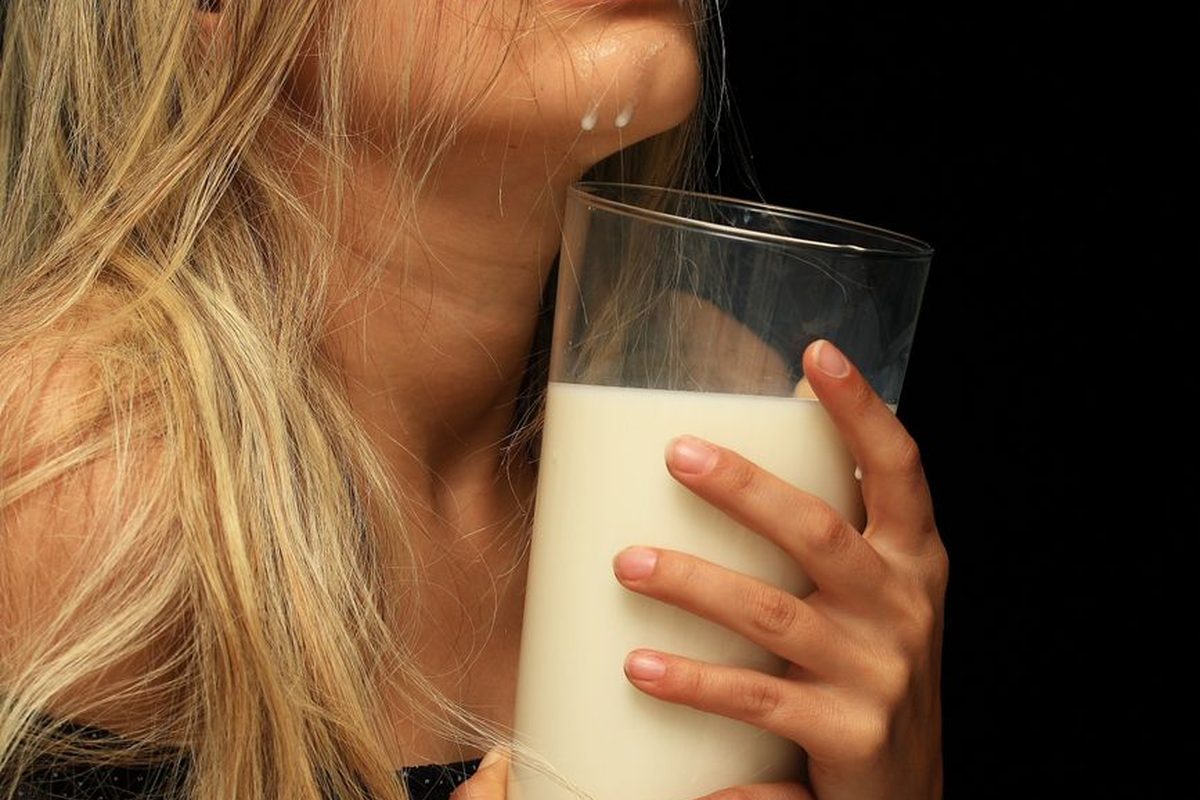
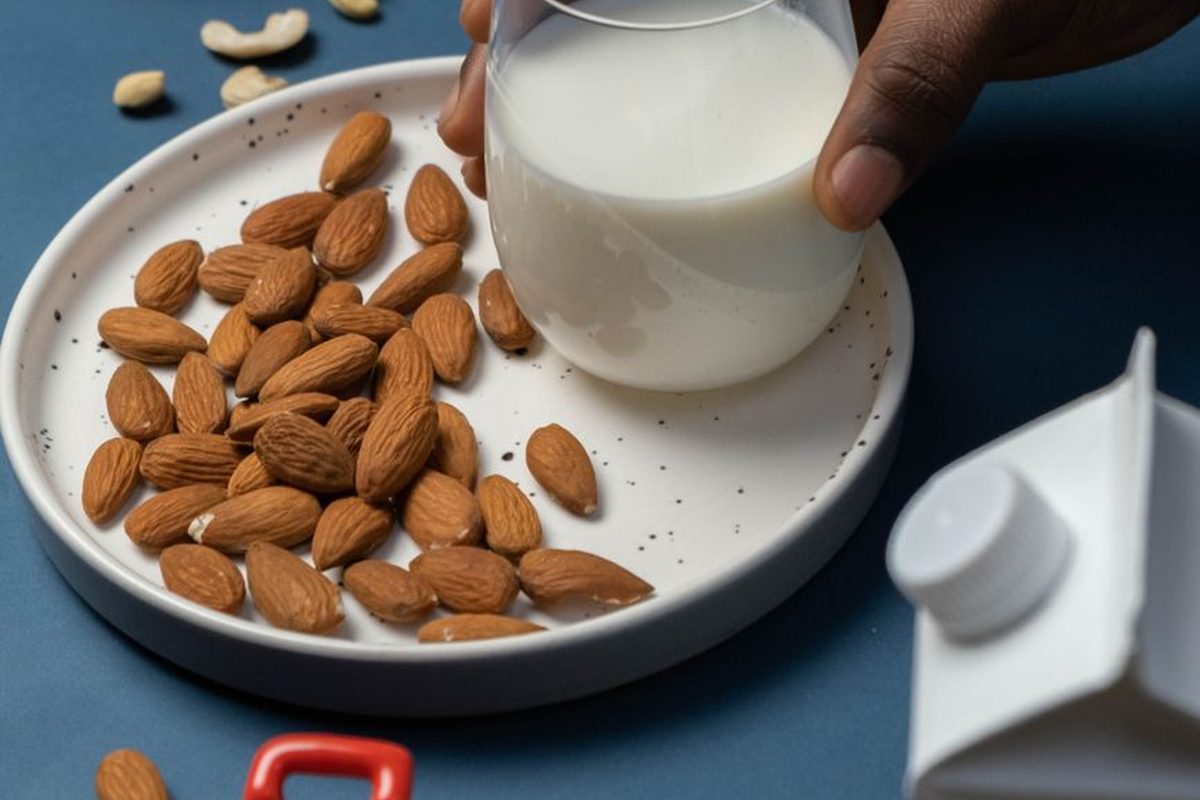
Whole milk scores 64/100 (WARN) and almond milk scores 100/100 (GLOW) on SpotBite's Skin Score. Almond milk is the safer choice by 36 points, and the gap comes mostly from dairy.
Where the gap comes from
- Glycemic: Whole milk has glycemic load 3.7 (12 g carbs), Almond milk has 0.4 (1.5 g carbs). Faster sugar means more insulin, which can raise skin oil.
- Dairy: Whole milk has 240 g of dairy, Almond milk has 0 g. Milk proteins can act like growth signals in the skin.
- Inflammatory fats: Whole milk has 4.5 g saturated fat and 0.3 g omega-6, Almond milk has 0.2 g and 0.5 g.
- Skin boost: Whole milk gets +1.5 from omega-3 and polyphenols, Almond milk gets +5.
Evidence: Hoppe 2004 (n=24): 1.5 L of skim milk a day raised IGF-1 by 19% within 7 days (study). All 13 sources.
Score breakdown, side by side
| Whole milk | Almond milk | |
|---|---|---|
| Glycemic (of 50) | GL 3.7 −6.7 | GL 0.4 −0.7 |
| Dairy (of 25) | 240 g −25 | 0 g 0 |
| Inflammation (of 25) | 4.5 g sat · 0.3 g ω-6 −6.2 | 0.2 g sat · 0.5 g ω-6 −1.5 |
| Skin Boost (of 25) | 0.2 g ω-3 · low polyphenols +1.5 | 0 g ω-3 · medium polyphenols +5 |
| Skin Score | 64 · WARN | 100 · GLOW |
Estimates for a typical serving. Real foods vary by brand and recipe.
Verdict
If you are acne-prone, almond milk is the better pick of the two. A 36-point gap is the kind of swap that can show up in your skin within a week or two.
Not medical advice. Both scores are for the food on its own. What you eat with it changes the result, and breakouts usually show up 3 to 7 days after a meal. Diet is one factor among many.
See your own pattern
Scan what you actually eat and SpotBite shows which foods line up with your breakouts a few days later. Free on iPhone and Android.